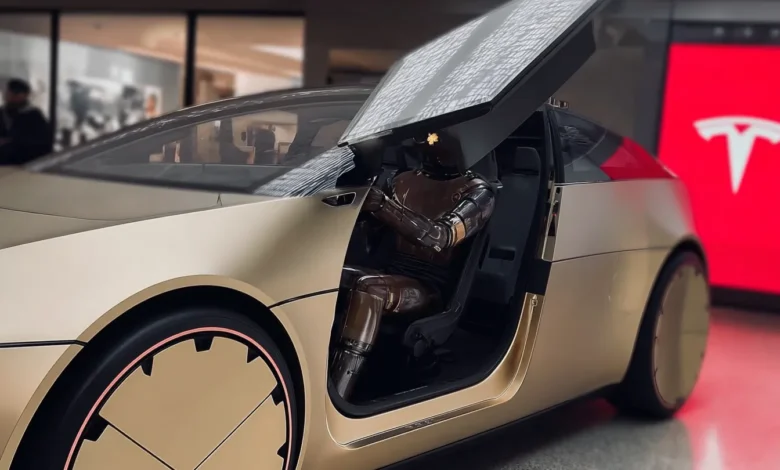
As we stand on the brink of an exciting new era in transportation, the launch of Tesla’s new robotaxi brings forth both curiosity and enthusiasm. This innovative concept challenges traditional modes of mobility, captivating the imagination of technology enthusiasts and everyday consumers alike. With the promise of a fully autonomous ride-hailing service, it raises questions about safety, efficiency, and the future of urban commuting. Could this groundbreaking advance in self-driving technology redefine our travel experiences?
Furthermore, the implications of Tesla’s new robotaxi extend beyond convenience. As cities grapple with congestion and environmental concerns, the introduction of a sustainable, eco-friendly alternative could significantly impact urban landscapes. This vehicle is not merely a futuristic gadget; it signifies a paradigm shift in how we perceive transportation. In exploring the potential of such advancements, we invite you to consider how Tesla’s latest innovation could transform your daily commute, offering a glimpse into a future that is not only poised for change but for enhancement in the quality of life.
What is a Robotaxi?
The concept of a robotaxi represents a significant leap in urban transportation technology. Essentially, a robotaxi is an autonomous vehicle that operates without a human driver, providing a seamless travel experience. This innovation primarily hinges on advanced artificial intelligence and sensor technologies, making it a core component of Tesla’s vision for the future of transportation. By analyzing real-time data from various sensors and utilizing machine learning, robotaxis can navigate city streets, adapt to traffic conditions, and deliver passengers safely to their destinations.
Robotaxis, like the ones expected from Tesla, aim to disrupt the traditional taxi and ride-sharing model. One of the most compelling advantages of this technology is the potential for increased safety. Studies have shown that the majority of traffic incidents arise from human error. By eliminating the human factor, robotaxis could theoretically reduce accidents significantly, presenting a safer alternative for passengers. Furthermore, autonomous vehicles can optimize driving routes, leading to shorter travel times and reduced congestion in busy urban environments.
The Future of Urban Mobility
So, how does Tesla’s new robotaxi fit into the broader landscape of transportation? The introduction of robotic taxis could also address ongoing issues of urban mobility. With the rise of population density in cities, conventional transport methods often struggle to keep up with demand. Given Tesla’s commitment to sustainable energy, their robotaxis may further contribute by reducing emissions and promoting eco-friendly travel options. As cities push for greener transport solutions, Tesla is positioned to play a pivotal role in shaping a cleaner future.
Moreover, this technological innovation aligns with the trends of enhanced connectivity and smart city initiatives. Autonomous vehicles could integrate seamlessly with other smart systems, from traffic lights to public transport networks, creating an efficient transportation ecosystem. As noted in the discussion on the state of the internet 2026 and the trends ahead, the convergence of various technologies supports a trend towards smarter urban environments.
In conclusion, Tesla’s New Robotaxi Explained: Is This the Future of Transportation? It certainly appears that way. With its promise of efficiency, safety, and sustainability, the robotaxi may offer an exciting glimpse into the future of how we traverse our cities. As Tesla continues to develop this technology, we can remain hopeful about the transformative impact it will bring to urban mobility.
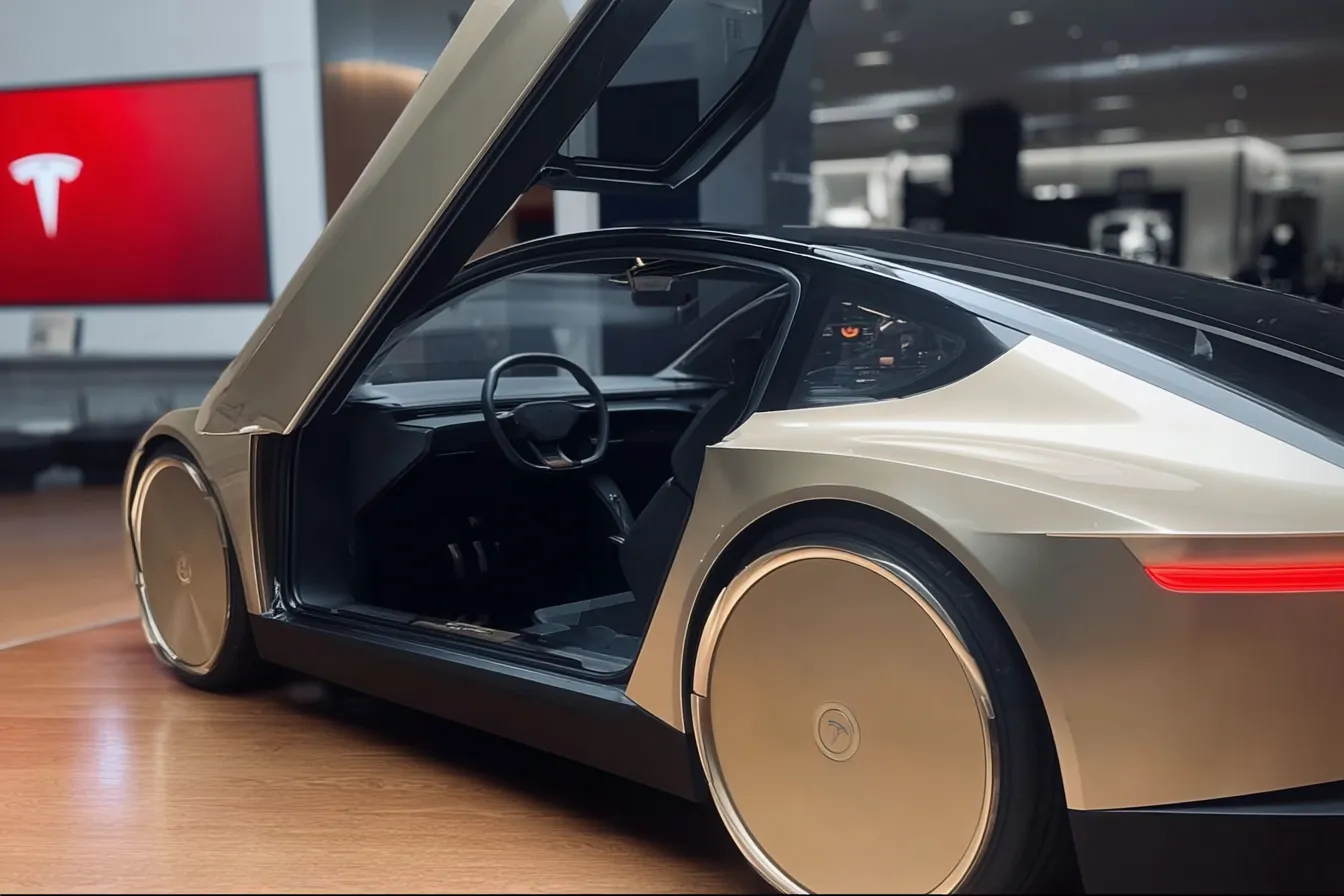
Key Features of Tesla’s Robotaxi:
The latest advancement from Tesla, the Robotaxi, is poised to revolutionize urban transportation. With its fully autonomous driving capabilities, this innovative vehicle aims to redefine how we navigate our cities. Tesla has continually pushed the boundaries of technology, and the introduction of the Robotaxi consolidates this pursuit. But what exactly are the key features that distinguish this vehicle from traditional taxis? Let’s explore this exciting development.
Autonomous Driving Technology
At the heart of the Tesla Robotaxi lies its autonomous driving technology. Utilizing a sophisticated suite of sensors and cameras, the Robotaxi can interpret its environment in real-time. This means it can detect everything from pedestrians to traffic signals, allowing it to make informed driving decisions. With advancements in artificial intelligence, this technology improves with each drive, learning from the behavior of other vehicles and obstacles on the road. Additionally, similar to how AI is seamlessly integrating across various platforms, Tesla’s self-driving capabilities continually evolve, enhancing safety and efficiency.
Cost-Effective Rides
Another remarkable feature of the Robotaxi is its cost-effectiveness. By eliminating the need for a driver, Tesla significantly reduces operational costs. Passengers can expect lower fares compared to conventional taxis. This affordability will likely attract a diverse range of users, from daily commuters to occasional travelers.
Environmental Impact
Tesla’s environmental focus is also evident in the design of the Robotaxi. It is an electric vehicle, which means it emits zero tailpipe emissions. As cities grapple with air quality issues, electrification of transport, as seen with the Robotaxi, emerges as a practical solution. This transition is vital for creating sustainable urban environments because electric vehicles help decrease pollution levels.
Convenience and Accessibility
Finally, the convenience the Robotaxi offers cannot be overstated. Passengers can hail rides via an app at any time, making transportation as simple as a few taps on a screen. The vehicle is equipped with features catering to various users, ensuring accessibility for everyone, including those with disabilities. This ease of use reinforces the potential for Tesla’s Robotaxi to become a staple in public transportation.
In summary, Tesla’s New Robotaxi Explained: Is This the Future of Transportation? The answer leans towards yes as technological innovation, affordability, and environmental sustainability converge to create an efficient urban mobility solution.
Tesla’s New Robotaxi Explained: Is This the Future of Transportation? Technology Insights:
The future of transportation is upon us, and it’s arriving in the form of Tesla’s innovative Robotaxi. This vehicle showcases advancements in electric and autonomous driving technologies, posing a significant shift in how people will travel. The concept revolves around fully self-driving cars that operate without a driver, transporting passengers from point A to B on demand.
The Vision Behind Tesla’s Robotaxi
Elon Musk has always dreamed of a world where personal car ownership decreases, and shared autonomous vehicles increase. The introduction of Robotaxis is a vital step towards this vision. By capitalizing on Tesla’s existing fleet of electric vehicles, the company plans to convert these cars into Robotaxis through software updates, allowing them to operate autonomously. It means that anyone with a Tesla can eventually turn their vehicle into a source of income when they’re not using it.
Moreover, the implications of this technology extend beyond vehicle convenience. The environmental impact is noteworthy, as reduced dependency on personal vehicles leads to lower emissions and traffic congestion. According to a recent article, Tesla’s Robotaxi service also aims to integrate with renewable energy sources, aligning with broader sustainability goals.
The Benefits of the Autonomous Fleet
Imagine a scenario where you hail a Robotaxi instead of owning a car. This not only alleviates maintenance costs but also makes efficient use of vehicles. With more cars on the road capable of driving themselves, ride-sharing could become cheaper and more accessible. The technology behind it is groundbreaking. Machine learning algorithms improve the car’s driving capabilities over time, enabling safer and smarter transportation.
Additionally, the Robotaxi market stands to benefit from the rise of super apps—one platform catering to multiple needs. Just as people seek out the most effective ways to earn money, they will likely look for transportation solutions that save both time and expenses.
In conclusion, Tesla’s Robotaxi represents a pivotal moment in transportation innovation. By merging autonomous technology with convenience, it raises questions about the future of vehicular travel. As the rollout of these Robotaxis draws closer, it will prove essential to observe how this shift impacts our daily lives and shapes urban mobility.
Safety and Regulations: Tesla’s New Robotaxi Explained: Is This the Future of Transportation? Challenges:
The introduction of Tesla’s new robotaxi presents both exciting possibilities and significant challenges, particularly in the areas of safety and regulations. As autonomous vehicles become more prevalent, ensuring that they operate safely within existing infrastructures is paramount. While Tesla’s technology is advanced, the prospect of completely driverless cars raises questions about accident liability, cybersecurity, and the ethical implications of machine decision-making.
The Safety Aspect
Safety on the roads is a top priority. Tesla claims that their robotaxi technology utilizes deep learning algorithms and a multitude of sensors to detect and react to real-time road conditions. However, incidents involving autonomous vehicles do occur, which can create public fear. For instance, how would a robotaxi handle a sudden obstacle? These vehicles must evolve their responses through updates and learn from past mistakes, similar to how various technologies adapt to enhance user experiences, as described in an article about the state of the internet in 2026.
Regulatory Framework
The regulatory landscape presents another layer of complexity. Each country has differing laws governing autonomous vehicle operation. Governments will need to create new regulations that balance technology advancement with public safety. Effective dialogue between Tesla and regulatory bodies is crucial to shaping these guidelines. The multifaceted nature of regulatory challenges could slow down the widespread deployment of Tesla’s robotaxi service.
Furthermore, public acceptance will play a pivotal role. Trusting a robotaxi to handle everyday travel involves convincing people that the technology is safe and reliable. Organizations that specialize in evaluating technological trends, such as the one discussing super apps, can provide insights into consumer behavior and acceptance.
Conclusion
Ultimately, while Tesla’s new robotaxi represents an innovative step toward the future of transportation, it is vital to address safety and regulatory challenges. As we explore whether Tesla’s robotaxi is the future, understanding these factors will dictate its success. Continuous improvements, regulatory adherence, and public confidence must all align for this revolutionary transportation method to thrive in our society. Only then can we truly discern whether this concept marks a turning point in how we perceive and experience travel.
Impact on Urban Mobility: Tesla’s New Robotaxi Explained: Is This the Future of Transportation? Opportunities:
The future of transportation holds exciting prospects, particularly with the introduction of Tesla’s new Robotaxi. This innovative concept is set to revolutionize urban mobility by offering a fleet of self-driving cars that seamlessly navigate cities. As urban areas experience increasing congestion, the demand for efficient, eco-friendly transportation solutions rises. Tesla’s Robotaxi aims to address these challenges while providing convenience and affordability.
Understanding the Robotaxi Model
At its core, Tesla’s Robotaxi will operate autonomously, eliminating the need for a driver. This transition to shared autonomous vehicles could drastically reduce the number of personal cars on the road. It addresses environmental concerns by promoting electric vehicles, contributing to lower carbon emissions and helping cities transition to sustainable transportation options. The idea behind the Robotaxi is simple: users can summon a vehicle via an app, similar to how ridesharing platforms function today.
Moreover, the implementation of such technology may boost local economies. As people rely less on personal vehicles, urban areas can see a decrease in parking infrastructure costs. This transition could free up valuable land that can be repurposed into parks, housing, or mixed-use developments, fostering a more livable environment for residents.
Enhanced Convenience and Accessibility
One of the significant advantages of Tesla’s new Robotaxi is its ability to make transportation more accessible. Those who are unable to drive, such as the elderly or individuals with disabilities, will potentially have newfound independence. Notably, this system promises reduced wait times, allowing for quick, reliable travel. As cities explore these avenues, they should also consider integrating related technologies, such as efficient public transport solutions. For instance, exploring super apps that facilitate multiple urban services under one platform could optimize user experience, enhance convenience, and ultimately redefine urban mobility landscapes.
The Path Forward
While challenges exist—such as regulatory hurdles and public acceptance—the potential of Tesla’s Robotaxi is immense. With the right infrastructure and support, it can revolutionize not only how we travel but also how we design our cities. As we prepare for this shift, it is essential to stay informed about developing technologies in transportation. For more insights into trends shaping our digital landscape, check out the resource on state of the internet advancements. Ultimately, embracing innovations like the Robotaxi may very well set the course for a more efficient and sustainable urban future.
Comparative Analysis with Traditional Taxis:
When examining Tesla’s new robotaxi, it is essential to compare it with conventional taxi services. Traditional taxis rely on human drivers, leading to factors like potential driver error and inconsistent pricing. In contrast, the robotaxi operates using advanced artificial intelligence, reducing human error and optimizing ride efficiency. Moreover, ride-hailing applications have already changed urban transport dynamics. They provide real-time tracking, which enhances user experience. You can learn more about the best apps that enhance travel safety in this context. As Tesla’s robotaxi continues to evolve, it may redefine not only affordability but also accessibility in urban environments, steering us towards a tech-driven future in transportation.
Frequently Asked Questions (FAQs):
What exactly is Tesla’s new Robotaxi?
Tesla’s new Robotaxi is an ambitious initiative that aims to revolutionize the way people think about transportation. Essentially, it is a fully automated, electric vehicle designed to operate without a human driver. This innovative approach embraces advanced AI technology and aims to reduce traffic congestion while providing affordable transportation options.
How will Tesla’s Robotaxi impact public transportation?
The introduction of Tesla’s Robotaxi could significantly alter public transportation dynamics. By offering a more efficient and cost-effective alternative, it may reduce reliance on traditional transport methods like buses and taxis. As a result, cities could experience smoother traffic flows, decreased pollution, and potentially lower transportation costs for users.
Is the technology behind Tesla’s Robotaxi reliable?
The technology fueling Tesla’s Robotaxi has been under development for years, with extensive testing conducted in various conditions. While there are hurdles to overcome, such as navigating complex environments and ensuring safety, Tesla has demonstrated a commitment to refining its self-driving technology.
How does Tesla’s Robotaxi compare to rideshare services?
Comparing Tesla’s Robotaxi to rideshare services reveals distinct differences. Unlike traditional ridesharing, where a driver is present, the Robotaxi operates autonomously. This difference can lead to lower operational costs and potentially offer more competitive pricing for users.
What are the potential benefits of Tesla’s Robotaxi?
There are numerous benefits associated with Tesla’s Robotaxi, including enhanced safety through reduced human error and increased accessibility for those unable to drive. Moreover, the environmental impact could be positive, given that these vehicles are electric, which aligns with Tesla’s sustainable vision.
Where can I learn more about future trends in technology?
For those interested in the evolving landscape of technology, including potential advancements beyond Tesla’s new Robotaxi, consider exploring this informative article on the state of the internet in 2026 and the trends shaping our future. It provides valuable insights into technological innovations that will influence transportation and beyond.